How Pull-Behind Rakes Work
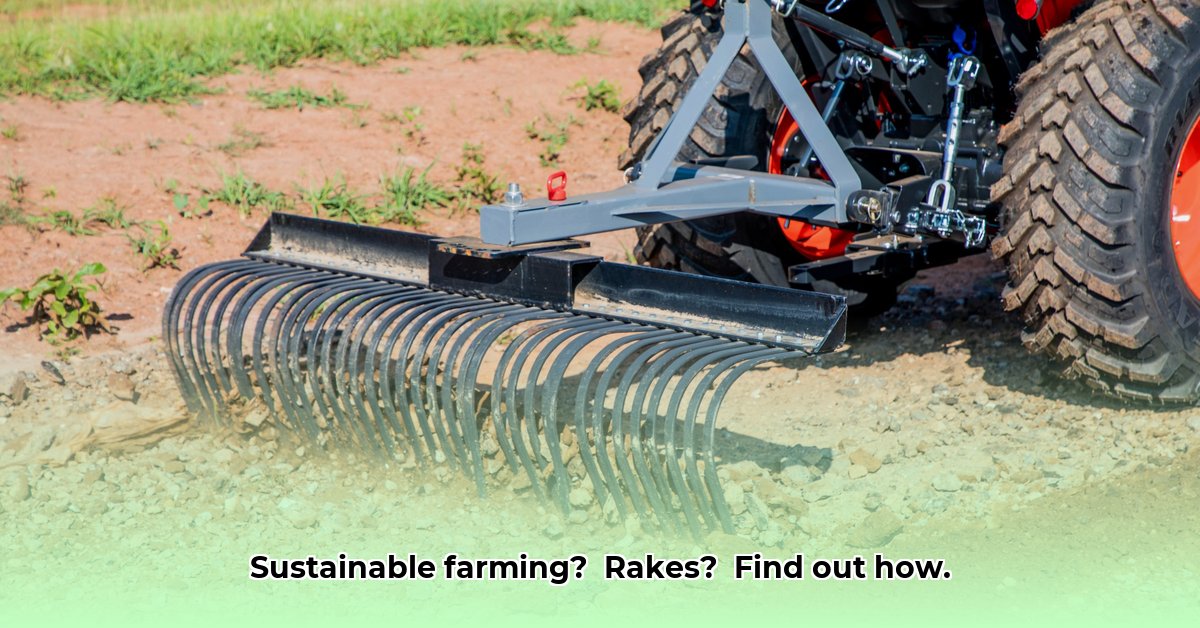
Pull-behind rakes are agricultural implements towed by tractors to efficiently gather and manage crop residue, leaves, and other debris. They feature rotating tines (teeth) that collect material as the tractor moves, creating windrows for easier collection or dispersal. Different designs accommodate various residue types and field conditions. A simple diagram could illustrate the rake's basic components and how they function. For more detailed information on specific rake models, check out this helpful resource.
Benefits of Using Pull-Behind Rakes in Sustainable Agriculture
Pull-behind rakes offer several advantages for sustainable farming practices:
Efficient Residue Management: They effectively clear crop residue after harvest, helping manage the amount left on the field to maintain soil health while preventing hindered planting and growth. This reduces the need for intensive tillage, which can damage soil structure and lead to erosion. Don't farmers want to improve crop yields while promoting soil health?
Simplified Orchard Maintenance: These rakes efficiently clear orchards of fallen leaves, branches, and debris, improving air circulation and sunlight penetration, which leads to more robust plant growth and reduced pest and disease issues. Is there a more efficient way to maintain an orchard than using manual labor?
Potential for Cost Savings: While there's an initial investment, pull-behind rakes can reduce labor costs compared to manual methods, especially on larger farms. Reduced fuel consumption from less tillage can also offer significant long-term savings. How can farmers lower their operating costs without sacrificing efficiency?
Limitations and Potential Drawbacks
Despite their benefits, pull-behind rakes have limitations:
Soil Compaction: Heavier rakes can compact soil, especially in wet conditions, potentially hindering root growth and water infiltration. Using lighter rakes, adjusting operating parameters, and avoiding use on wet soil can minimize this risk. Isn't soil compaction a major concern for farmers aiming for optimal crop yields?
Residue Type Dependence: Effectiveness varies depending on residue type and density. Dense or matted residues may require multiple passes or supplemental methods. How does a farmer choose the right rake for their specific crop residue type?
Maintenance Requirements: Regular maintenance, including inspection, lubrication, and timely part replacement, is critical for optimal performance and longevity. Ignoring maintenance can lead to breakdowns, reduced efficiency, and costly repairs. What are the key maintenance tasks to ensure a long lifespan for your pull-behind rake?
Choosing the Right Pull-Behind Rake
Selecting the appropriate rake depends on several factors:
Size and Weight: Choose a rake compatible with your tractor's capacity and the scale of your operation. Too heavy a rake can overload your tractor, while one that is too small is inefficient for large areas. Always refer to your tractor's manual for weight limits.
Tine Type and Spacing: Tine type and spacing influence performance. Wider spacing suits larger debris, while closer spacing is better for finer materials. Consider the materials you'll be raking; different tine materials offer varying durability.
Tire Type: All-terrain tires provide greater stability and traction, crucial for uneven terrain or slopes.
Using a Pull-Behind Rake Effectively: A Step-by-Step Guide
Pre-Operation Inspection: Thoroughly inspect the rake for damage or loose parts before operation. Ensure the tractor is properly fueled and lubricated.
Secure Hitching: Carefully attach the rake to the tractor's three-point hitch, following manufacturer instructions. A secure connection is vital for safety.
Adjustments: Adjust the rake's height and angle to the terrain and material being raked.
Safe Operation: Start at a slow speed, gradually increasing speed based on conditions. Maintain a safe distance from obstacles.
Post-Operation Cleanup: Clean the rake thoroughly after use and store it in a dry, protected area.
Comparative Analysis: Pull-Behind Rakes vs. Other Methods
The table below compares pull-behind rakes to other residue management techniques. Note that actual values vary significantly based on specific conditions.
| Method | Fuel Consumption | Soil Compaction | Time Efficiency | Cost-Effectiveness | Environmental Impact |
|---|---|---|---|---|---|
| Pull-Behind Rake | Low to Medium | Low to Medium | High | Medium to High | Low to Medium |
| Manual Labor | None | Low | Very Low | High | Low |
| Tillage | High | High | Medium | Low | High |
Environmental Considerations
Pull-behind rakes generally reduce fuel consumption compared to tillage. However, potential soil erosion, especially on slopes, remains a consideration. Proper use and maintenance minimize negative environmental impacts. Exploring biofuels could further reduce the carbon footprint.
Conclusion
Pull-behind rakes offer a valuable tool for promoting sustainable farming practices. Understanding their benefits and limitations, and following best practices for selection and use, is crucial for maximizing efficiency and minimizing negative impacts. By integrating these tools responsibly into farming operations, farmers can improve soil health, reduce costs, and contribute to environmental sustainability.